
Is gold's reign over? Its safe haven status is under threat, and five key factors are giving gold a clean sweep
Despite rising geopolitical tensions in 2026, gold prices have fallen sharply. This is primarily due to cash shortages, changing interest rate expectations, and supply disruptions. While this selling indicates short-term pressure on gold, it also raises significant questions about its credibility as a "safe haven."
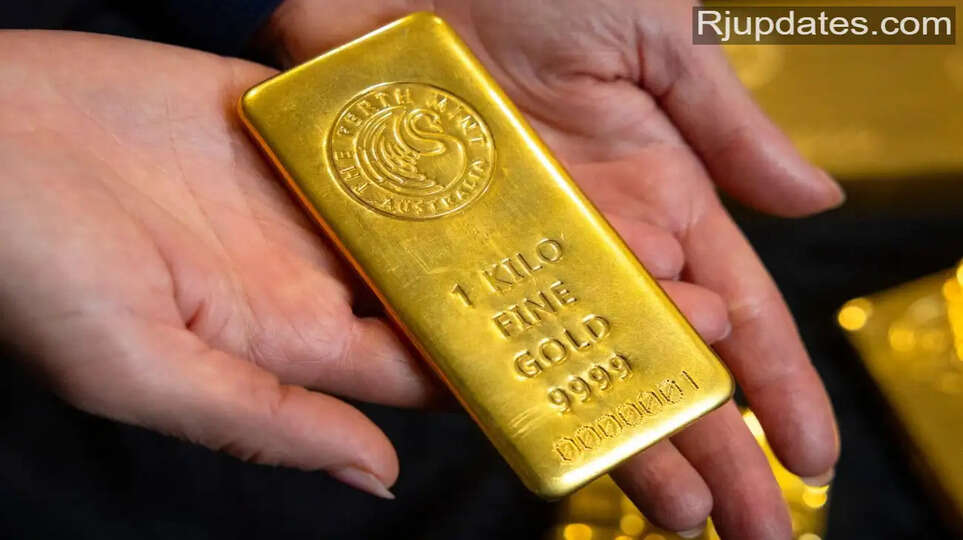
Even though the price of gold in the country's futures market has seen an increase of ₹5,000 per ten grams, overall, the year 2026 appears to be under pressure.
This, especially when there is intense political tension across the world. In such a situation, demand for safe havens should have been high. But this has not happened. Significantly, gold is currently more than 25% below its peak.
The biggest question now is: is the gold era over? Is gold's status as a safe haven under threat? What are the factors driving the pressure on gold prices?
Experts believe that a combination of cash needs, changing monetary expectations, and logistical disruptions have fueled this decline. Let's discuss this in detail...
Cash crunch fuels selling
The decline is primarily driven by a rush for cash among global investors. As uncertainty over the Middle
East conflict deepens, market participants are selling assets to cover losses and preserve cash. According to an AFP report, gold—which has seen a meteoric rise over the past year—was among the first assets to be sold.
This move is largely a strategic move. By selling their gold and silver holdings, investors are quickly accumulating US dollars, which are crucial at a time when energy markets are under pressure.
Blockages in key supply routes—including the Strait of Hormuz—as well as attacks on energy infrastructure in the Gulf region have driven oil prices skyrocketing. This has increased demand for dollar cash, further fueling the selling of precious metals.
Gold, which surpassed $5,500 per ounce in early 2026 amid geopolitical tensions and macroeconomic concerns, has now fallen to around $4,550. Silver has followed a similar trend, falling significantly from its recent highs.
In India, gold prices peaked at ₹193,096 per ten grams on MCX on January 29th. Since then, gold prices have fallen by more than 25%, or about ₹49,000. Silver prices have fallen by ₹1.85 lakh from their peak.
Bullion faces heavy interest rate pressure
Another key factor driving gold's decline is the changing outlook for global interest rates.
AFP highlights that rising energy prices are expected to fuel inflation, which could lead central banks—particularly the US Federal Reserve—to consider further tightening their monetary policy.
High interest rates reduce the attractiveness of assets like gold that don't generate income.
As returns on cash and government bonds improve, investors often shift their focus away from bullion. This dynamic has put downward pressure on gold prices, even as macroeconomic uncertainty persists.
Silver—which has both monetary and industrial uses—has been hit hard by concerns about slowing global economic growth.
Weak demand from sectors such as electronics, solar energy, and artificial intelligence infrastructure has further exacerbated the decline in silver prices.