
How much business is done in the country on the day of Holi, what goods are sold the most?
According to CAT, Holi generates a nationwide turnover of approximately ₹80,000 crore. Colours, water guns, apparel, gujiyas, and event services are among the most sold.
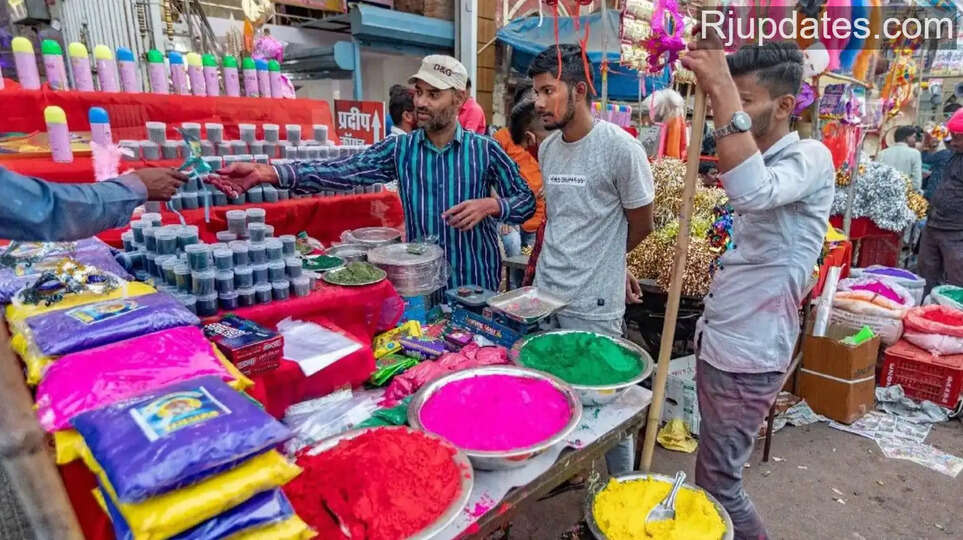
Holi, the festival of colors, not only symbolizes mutual brotherhood and enthusiasm, but also represents a major opportunity for the country's economy.
According to CAIT, this year's Holi celebrations are expected to generate business worth over ₹80,000 crore nationwide. This figure indicates that Holi has become one of the country's major economic festivals.
CAT says that markets are bustling with activity even before Holi. Business activity picks up in cities, from metropolises to smaller towns and cities.
Colors and gulal are the most sold items. Demand for herbal, organic, and chemical-free colors has risen sharply, particularly in small packets and large family packs. Sales are plentiful.
After colors, the market for water guns is the hottest. Attractive designs, cartoon characters, and high-pressure water guns are in high demand among children and young adults. Colorful balloons and other Holi accessories are also widely sold.
These goods are sold
The clothing market also benefits significantly from Holi. Sales of Holi-specific T-shirts, white kurtas, colorful dupattas, and theme-printed clothing increase significantly. Clothing with slogans and multicolored designs is a trend among young people.
The food and beverage market also reaches its peak during Holi. Among traditional sweets, gujiya is the most sold. Furthermore, demand for namkeen, mathri, dalmot, thandai, and packaged snacks also increases manifold. Sweet shops, snack manufacturers, and local cottage industries benefit significantly during this time.
According to CAIT, Holi get-togethers, social gatherings, and cultural programs also provide additional impetus to the market. Small businesses involved in tents, sound systems, decorations, event management, and catering services see significant increases in revenue.
This year, there has also been a significant increase in demand for indigenous products. Consumers are prioritizing locally produced products, directly benefiting small businesses, artisans, and startups.