
Will everything from your pocket to your savings be affected? These major rules are changing from April 1, 2026!
The new financial year begins today, April 1, 2026. Many important changes are taking effect today, ranging from income tax to PAN cards, credit cards, the stock market, and your salary. Let's discuss these changes in detail.
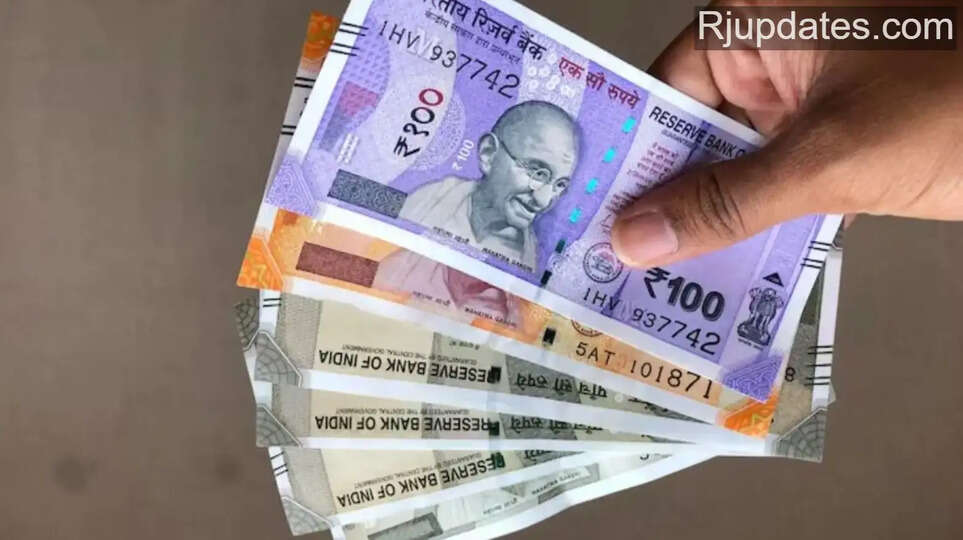
April 1st marks not only the beginning of a new financial year in our country, but also the day when many rules related to your wallet, your bank balance, and your lifestyle change. This April 1st of 2026 is especially special because this time the government is implementing new rules, amending decades-old laws.
Whether it's your salary slip, your confirmed railway ticket, your UPI transaction, or the credit card in your wallet—everything will be affected.
The changes coming on April 1st will also impact your wallet's weight and bank balance, as many old rules will become history forever.
Without wasting any time, let's delve into the major rules and changes that will directly impact your hard-earned money and spending patterns. Let's unpack these significant changes that will become a part of your life starting April 1st, 2026.
1. Domestic gas cylinder prices
The price of domestic gas cylinders changes on the first of every month. Following the fuel crisis and last month's sudden price hike, the entire country was anxiously awaiting whether petroleum companies would raise the price of domestic gas cylinders on the first of every month.
However, this time, the public seemed relieved, with no change. The price of domestic gas cylinders was initially raised on the 7th of last month.
On the other hand, the price of commercial gas cylinders has increased by an average of ₹200, bringing the price nationwide to ₹2,200 per cylinder.
2. Jet fuel prices
Jet fuel prices have become increasingly important these days. This impact is clearly felt on airlines' operating costs and the pockets of ordinary people. Significantly, this time, petroleum companies have not made any changes to jet fuel prices.
This is the first time in nearly two years that jet fuel prices have remained unchanged. Previously, in March, jet fuel prices saw a significant increase, reaching over ₹100,000 per kiloliter for domestic flights.
3. Income Tax and Cash Monitoring
First, let's talk about income tax. From April 1, the old Income Tax Act of 1961 will become history and will be replaced by the new Income Tax Act, 2025. Until now, we were confused between the terms "Financial Year" (FY) and "Assessment Year" (AY), but now the government has put an end to this confusion.
There will now be only "Tax Year." That means, the period from April 1, 2026, to March 31, 2027, will be called "Tax Year 2026-27." Additionally, the deadline for filing ITR 3 and 4 for non-audit taxpayers has been extended to August 31.
But beware! If you conduct large cash transactions, the Income Tax Department will be keeping a close watch on you. Until now, cash transactions up to ₹20 lakh per year were monitored,
but effective April 1st, this limit has been reduced to ₹10 lakh. If you deposit or withdraw cash from your bank accounts in a year, you could face an Income Tax notice.