
Gulf countries face 'mega-crisis' recession! Iran war threatens worst disaster since 1990
The threat of war with Iran and the blockage of the Strait of Hormuz have posed a significant threat to the economies of the Gulf countries. Experts predict that if this situation continues, Qatar and Kuwait's GDP could decline by up to 14%, leading to the biggest economic recession since the 1990s.
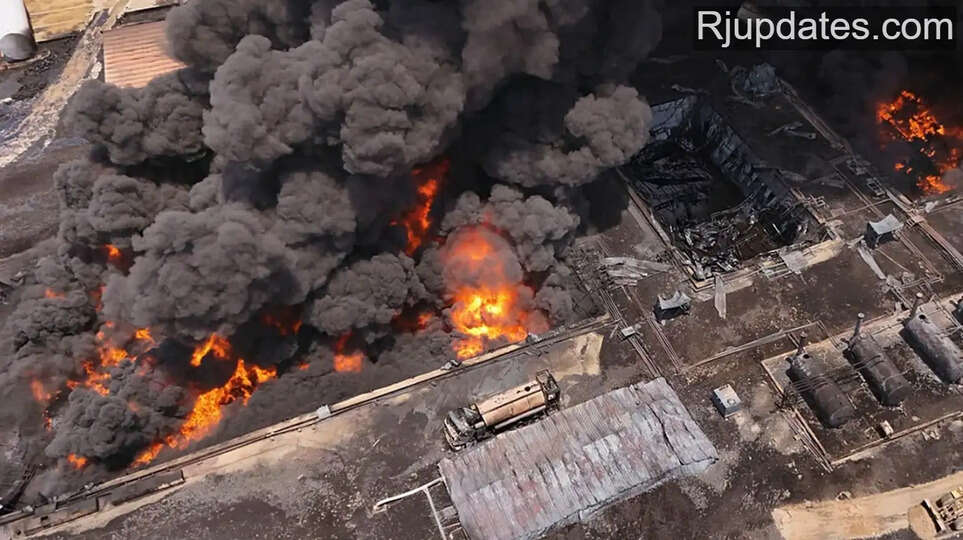
The ongoing war in the Middle East involving Iran is no longer limited to a military conflict; its impact is now being felt across the global economy. This situation is becoming particularly serious for the Gulf countries.
Economists at the global investment bank Goldman Sachs believe that if this war continues for a long time and traffic through the Strait of Hormuz remains blocked, the Gulf region could face its worst economic recession since the 1990s.
Experts estimate that if the Strait of Hormuz remains closed for approximately two months, the economies of Qatar and Kuwait could suffer a major setback. Their GDP could decline by approximately 14 percent.
This decline would be so severe that it would be considered the most severe economic crisis since the Gulf War of the early 1990s. Iraq's invasion of Kuwait at that time shook the economy of the entire region.
Goldman Sachs economist Farouk Sousa says that the war could have a profound impact on trade, energy exports, and investment activities, weakening these countries' oil-based economies.
Saudi Arabia and UAE also suffered a setback
Although Saudi Arabia and the United Arab Emirates are said to be faring slightly better than Qatar and Kuwait, these countries cannot be completely spared from economic losses. It is estimated that Saudi Arabia's GDP could decline by approximately 3 percent, and the UAE's GDP by approximately 5 percent.
These countries may find some relief because they have the ability to export oil through routes other than the Strait of Hormuz. Furthermore, they may also benefit economically from the increase in oil prices.
The Strait of Hormuz has become the biggest crisis
The Strait of Hormuz is at the center of this entire crisis, one of the world's most important maritime trade routes. Nearly a fifth of the world's oil exports pass through this waterway.
If traffic is disrupted, it impacts not only the Gulf countries but also the global energy market.
The disruption of this route due to the war has led to a sharp rise in oil prices. Recently, the price of Brent crude oil surpassed $103 per barrel. Consequently, instability has also increased in the global gas market.