
Crude oil prices were on fire, prices that used to rise throughout the year increased in just 30 days!
The war in West Asia has ignited a firestorm in crude oil prices. A year's worth of increases have occurred in just one month. Crude oil has surpassed $100.
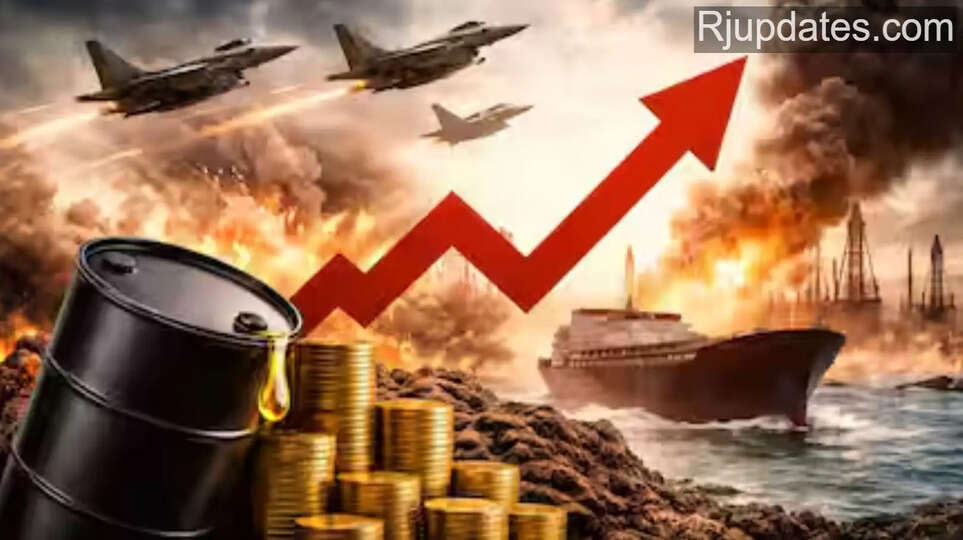
The Middle East war has caused turmoil in global markets these days. Crude oil prices are skyrocketing. Crude oil, which recently reached a frightening $119 per barrel, may have eased slightly today, but there's no sign of any significant relief. This situation is choking economies worldwide.
A year's leap in a single month
A look at the data clearly demonstrates the market's nervousness. Currently, the price of US benchmark WTI crude oil is hovering around $94.99 per barrel, while Brent crude oil is at $102.65. While the daily decline may be marginal, around one percent, the real concern lies elsewhere.
EPFO 3.0 brings a major update, allowing withdrawals within just a few days.
Crude oil, which used to cost between $65 and $75 before the war, still hovers above $100 today.
Most shockingly, crude oil prices have surged by more than 43% in just the past month. This is roughly the same increase as is typically seen in a full year (42-45%).
A major blow to the world's supply chain
The root of this entire problem lies in the geographical region of West Asia, which is the world's largest source of crude oil. Whenever tensions escalate in this region, global supplies are immediately threatened with disruption.
The war has multiplied the risks for cargo ships on sea routes. Furthermore, in this environment of uncertainty, investors also withdraw their funds. These factors lead to a sudden and sharp rise in prices, which is difficult for any country to manage.
The heat of this war will reach your pocket.
When crude oil prices rise in the international market, the ultimate economic burden falls on the average consumer. The first and most direct impact can be seen in the form of rising petrol and diesel prices.
If fuel becomes expensive, freight and transportation costs will also increase. This directly means that everyday items, fruits, vegetables, and other essential goods,
may also soon become more expensive. This situation could lead to increased inflation, making it a major challenge for governments to maintain economic balance.